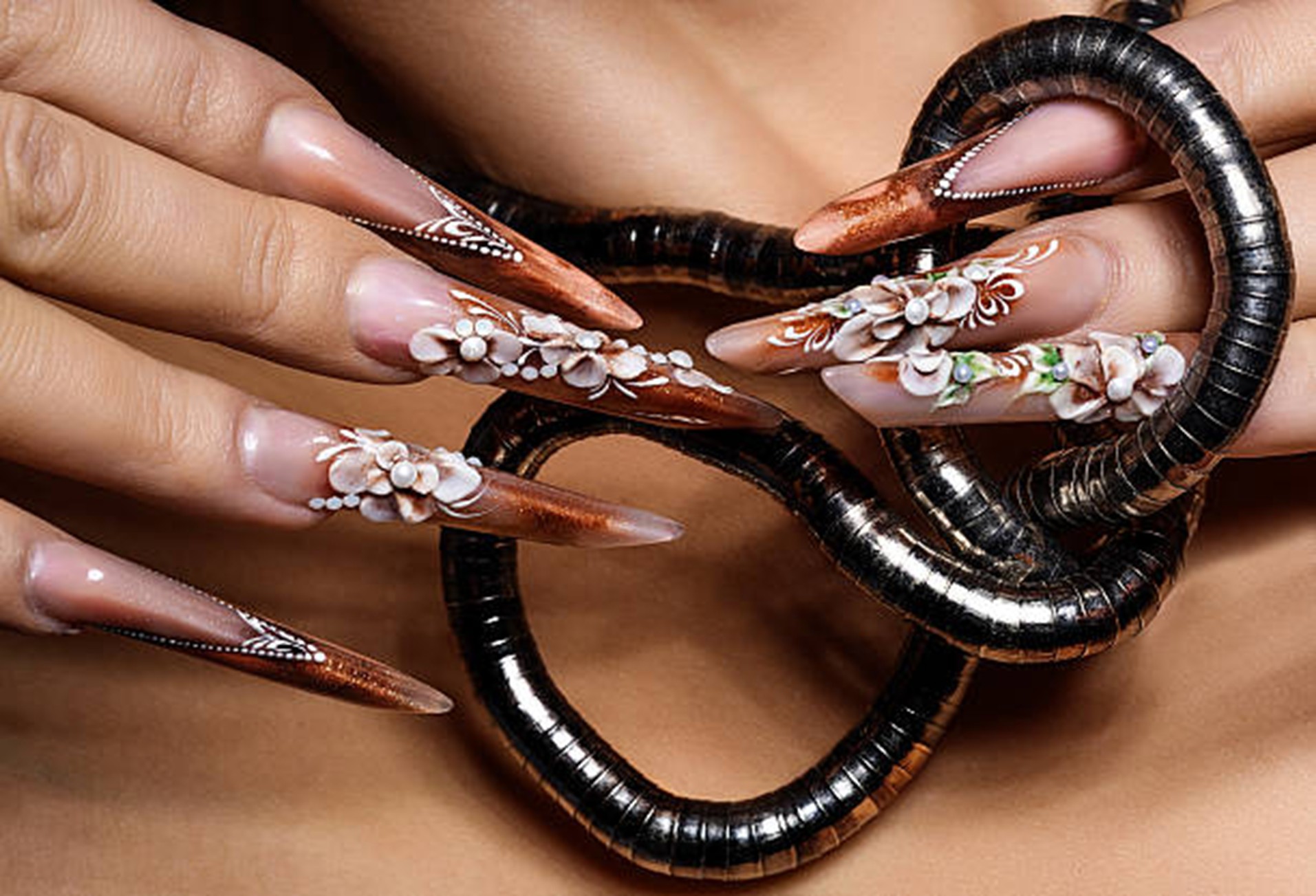
Extra-long nails look stunning. They elevate your entire look, make your hands feel polished, and add personality to even the simplest outfit. But anyone who has worn them at home knows the reality is not always glamorous.
Snags on fabric
Sudden pressure while doing small tasks
Unexpected breaks
These can quickly turn a good nail day into a frustrating one.
This is where long nail care becomes essential. Extra length is not the problem. The way you use and maintain your nails daily is what determines whether they last or break. Whether you are wearing
long press-ons or premium, durable gel press-on nails, the difference always comes down to habits.
If you want your nails to last without constant repairs, you need habits that protect them throughout your day. This guide walks you through exactly how to do that.
Key Takeaways
- Use fingertips instead of nails to reduce pressure on tips
- Avoid using nails as tools to prevent sudden stress and breakage
- Type with finger pads to minimize repeated impact
- Wear gloves during cleaning to protect from water and chemicals
- Keep nails moisturized to maintain flexibility and prevent lifting
- Be careful around fabrics and hair to avoid snags
- Handle objects slowly to reduce accidental pressure
- Avoid pressure right after application to strengthen adhesion
- Check nails daily to catch lifting early
- Make small habit changes to improve overall durability
Why Extra Long Nails Are Prone to Snags and Breaks
Extra-long nails require more attention because they naturally face more stress during everyday use. The added length changes how pressure is distributed, making them more vulnerable to damage if not handled carefully. Understanding these risks is a key part of effective long nail care, especially when wearing gel press-on nails or detailed nail designs.
Here are the main reasons why extra-long nails tend to snag and break more easily:
- Increased leverage and pressure
The longer the nail, the more force is applied at the tip during daily tasks, which can weaken the structure over time
- More surface contact
Extra-long nails come into contact with more objects, including fabrics, keyboards, and surfaces, increasing friction and snagging risk
- Higher exposure to accidental impact
Longer nails are more likely to hit objects while moving your hands, especially during quick or careless movements
- Weight and design strain
Detailed or heavily hand-painted nails can add pressure, making the adhesive work harder to hold everything in place
- Weaker stress points at the tip
The further away from the natural nail bed, the less support the nail has, making the ends more prone to bending or breaking.
Long Nail Care Habits That Prevent Breaks and Snags
1. Use Your Fingertips Instead of Your Nails for Daily Tasks
One of the most important habits in long nail care is changing how you interact with everyday objects. Instead of using your nails to press, lift, or grab, shift that responsibility to your fingertips.
This reduces direct pressure on the nail tips, which are the most vulnerable part of extra-long nails. Over time, this simple adjustment significantly lowers the chances of cracks, bending, or lifting.
2. Avoid Using Your Nails as Tools in Any Situation
Using your nails to open packages, peel stickers, or pry objects may feel convenient, but it puts intense stress on both the nail structure and adhesive. Extra-long nails are not designed to handle that kind of force.
Whether you are wearing
long press-ons or salon-style nails, relying on proper tools instead of your nails helps preserve their strength and prevents sudden breakage.
3. Type Using the Pads of Your Fingers to Reduce Impact
Typing can quietly damage your nails over time if done incorrectly. When you type with your nails, each keystroke creates repeated pressure on the tips, weakening the bond gradually.
Adjusting your hand position and using the pads of your fingers instead allows you to type comfortably without stressing the nails. This is especially important for people who spend long hours on laptops or phones.
4. Wear Gloves During Cleaning and Water Exposure
Water may seem harmless, but repeated exposure can weaken adhesives and reduce the lifespan of your nails. Wearing gloves while washing dishes or cleaning protects your nails from prolonged moisture and harsh chemicals.
This habit is particularly useful for maintaining
gel press on nails, as it helps preserve their hold and keeps them secure for a longer period.
5. Keep Nails and Cuticles Moisturized for Flexibility
Dryness can make both your natural nails and surrounding skin more prone to damage. Applying cuticle oil regularly keeps the area hydrated and flexible, which supports better adhesion and reduces the chances of lifting.
Proper hydration is a core part of long nail care, as it helps maintain both the appearance and durability of your nails.
6. Be Careful Around Fabrics, Hair, and Soft Surfaces
Snags often happen in soft environments where you least expect them. Blankets, towels, clothing, and even your hair can catch onto nail edges.
Moving your hands gently around these surfaces and avoiding sudden pulls can prevent accidental damage. If you notice rough edges, lightly filing them can reduce snagging risks significantly.
7. Handle Objects Slowly and With Control
Fast or careless movements increase the chances of hitting or bending your nails. When reaching into bags, opening drawers, or picking up items, slowing down slightly helps you stay aware of your nail position.
This reduces accidental pressure and protects the structure of both simple nails and heavier
gel nail sets.
8. Avoid Pressure Immediately After Application
The first few hours after applying your nails are crucial for long-term wear. During this time, the adhesive is still setting and forming a secure bond.
Exposure to water or pressure too soon can weaken this process and lead to early lifting. Allowing your nails to fully set helps them stay strong and last longer.
9. Check Your Nails Daily for Early Signs of Lifting
Small lifting at the edges can quickly turn into bigger problems if ignored. Taking a moment each day to check your nails helps you catch these issues early. Addressing them quickly prevents further damage and keeps your nails looking neat and secure.
Final Words
Extra-long nails are undeniably beautiful. They make a statement, improve your overall look, and have become an iconic trend that blends confidence with personal style. But as striking as they are, maintaining them requires awareness and care.
That is why focusing on prevention matters just as much as the application itself. Small, consistent habits throughout your day protect your nails from stress and help them last longer. Developing thoughtful long nail care habits will let you enjoy the look you love without constant worry.
Want to try beautiful long nails?
Visit Honey Bae Nailz and shop now.
FAQs
Can beginners manage extra-long nails at home easily?
Yes, but it takes a short adjustment period. Once you become aware of how you use your hands, handling long nails becomes more natural and comfortable.
Do certain nail shapes snag less than others?
Yes, rounded or almond shapes tend to snag less compared to sharp square edges because they have smoother sides and fewer catching points.
How often should I check my nails during the day?
A quick visual check once or twice a day is enough. This helps you catch early lifting or rough edges before they turn into bigger problems.
What should I do if my nail catches but does not break?
Stop immediately and gently free it instead of pulling. Then check for any lifting or cracks and smooth the edge if needed to prevent further damage.