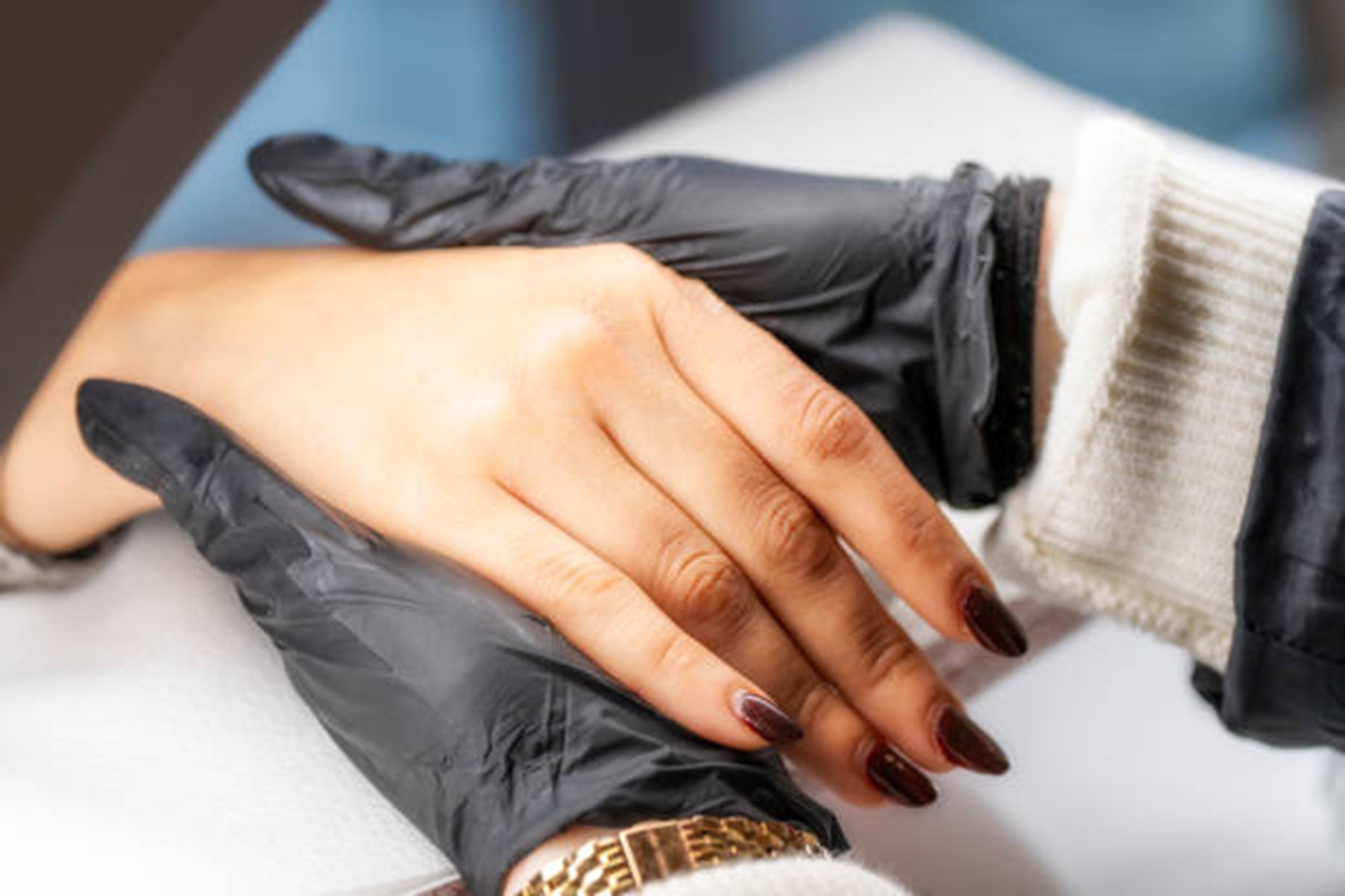
If you have ever worn gel press-on nails, you already know the experience can go two very different ways. Sometimes they stay secure, glossy, and flawless for nearly two weeks. Other times, they start lifting within days, even when everything seemed fine during application.
This inconsistency often leads people to assume the problem lies in the nails themselves. But in reality, the difference between a three-day wear and a full 14-day hold usually comes down to a few key factors working together.
Understanding these factors will allow you to move from trial and error to consistent results.
Instead of hoping your nails last, you can create the conditions that make long wear possible every time.
Key Takeaways
- Proper nail prep is the foundation of long-lasting wear
- Application technique affects adhesion more than expected
- High-quality press-on nail sets perform better over time
- Correct sizing prevents lifting and early breakage
- Lifestyle habits directly impact durability
- Nail length and structure influence how long nails stay secure
- Aftercare helps maintain adhesion and overall appearance
What Actually Makes Gel Press-On Nails Last Longer
1. Nail Prep: The Foundation of Long Wear
Before applying any
press-on nail sets, your natural nails need to be completely free of oil, moisture, and residue. Even a small amount of natural oil can weaken the adhesive bond and cause early lifting.
Washing your hands is not enough. Nails should be wiped with alcohol or a nail dehydrator to remove invisible oils that interfere with adhesion.
Cuticle Care and Surface Preparation
Pushing back the cuticles and lightly buffing the nail surface creates a better base for bonding. Smooth, untouched nails may look clean, but they do not provide enough grip for adhesives to hold properly.
Skipping this step is one of the most common reasons why even high-quality
gel nail sets fail to last.
2. Application Technique: Where Most Mistakes Happen
Application is not as simple as most people think.
Using the Right Amount of Adhesive
Too much glue can create air pockets, while too little can lead to weak bonding. A balanced application ensures full contact between the natural nail and the press-on.
The goal is even coverage, not excess product.
Proper Pressing and Placement
Pressing the nail firmly at the correct angle helps eliminate trapped air. Holding it in place for several seconds ensures the adhesive sets properly. Rushing this step can reduce wear time significantly, even if everything else is done correctly.
3. Quality of Gel Press-On Nails Matters
Not all gel press-on nails are made the same. Higher-quality sets are designed with proper structure, including a balanced thickness and a natural curve that fits the nail bed. Cheap or poorly made nails may look good initially, but often lack the durability needed for extended wear.
Here, it is important that you learn the difference between handmade and mass-produced sets. Premium
hand-painted nails tend to perform better because they are crafted with attention to detail. The structure, design, and finish are often more refined, which contributes to better overall performance. Mass-produced options may sacrifice durability for cost, leading to shorter wear times.
4. Fit and Sizing: A Critical but Overlooked Factor
If a nail is too small, it will not cover the nail bed fully. If it is too large, it can press against the skin and lift at the edges. Both situations reduce adhesion and cause early wear. A well-fitted nail should sit comfortably from sidewall to sidewall without forcing or gaps.
Many high-quality
press-on nail sets offer sizing kits or custom options. Taking the time to find your exact fit can dramatically improve how long your nails last.
5. Water Exposure
Frequent exposure to water, such as washing dishes, long showers, or repeated hand washing, can gradually weaken the adhesive bond over time. While gel press-on nails are designed to be durable, constant moisture softens the glue and increases the chances of lifting. Limiting prolonged water exposure and drying your hands properly can significantly improve how long your nails stay secure and intact.
6. Using Your Hands
Everyday habits play a bigger role than most people realize. Using your nails as tools, whether opening packages, scratching surfaces, or typing with excessive pressure, creates stress on the adhesive. Over time, this repeated force can loosen the bond and cause early lifting. Being more mindful and using your fingertips instead of your nails helps reduce strain and keeps your manicure looking fresh for longer.
7. Length of the Nails
Long-press-ons naturally experience more pressure because of their extended length, which creates leverage during everyday movements. Simple actions like gripping, typing, or adjusting objects put added stress on the adhesive.
In contrast, shorter nails distribute pressure more evenly across the nail bed, making them less likely to lift. This is why shorter styles often last longer, even with similar application techniques.
8. Heavy Designs and Embellishments
Detailed designs, stones, or layered elements can increase the overall weight of the nails, placing additional strain on the adhesive. While hand-painted nails offer a more refined and artistic finish, heavier designs require stronger bonding and more careful wear.
Without proper support and mindful handling, these added elements can lead to lifting or reduced wear time, especially during regular daily activities.
9. The First Few Hours Matter Most
The time immediately after application is critical for long-term wear. During these first few hours, the adhesive is still setting and forming a strong bond with your natural nail.
Exposure to water, pressure, or sudden impact can weaken this process. Avoiding heavy use and keeping your hands dry during this period helps ensure your nails stay firmly in place for longer.
10. Ongoing Care for Longer Wear
Maintaining your nails after application is just as important as the initial process. Simple habits like applying cuticle oil around the nail, wearing gloves during cleaning, and avoiding harsh chemicals can help preserve the bond. These small steps protect both the adhesive and your natural nails, allowing your
gel nail sets to stay secure, comfortable, and visually polished throughout their wear time.
Conclusion
Getting gel press-on nails to last 14 days is not about luck or finding a single perfect product. It is about understanding how preparation, application, quality, and lifestyle all work together.
When you choose well-made
press-on nail sets, focus on proper prep, and adjust your habits slightly, the difference becomes clear. Your nails stay secure longer, look better, and feel more comfortable throughout wear.
If you are ready to experience durable, high-quality nails designed for both style and performance, explore options at Honey Bae Nailz.
Order a beautiful set today.
FAQs
Can I apply gel press-on nails without buffing my natural nails?
While it is possible, skipping buffing reduces surface grip and makes it harder for adhesives to bond properly. Light buffing creates texture that helps nails stay secure longer.
Are gel press-on nails safe for weak or thin nails?
Yes, they can be a safer alternative to some salon treatments when applied and removed correctly. Using gentle removal methods and avoiding force helps protect natural nails.
How do temperature and climate affect nail wear time?
Humidity and heat can increase moisture on the nail surface, which may weaken adhesion. In warmer climates, proper nail dehydration becomes even more important before application.
Can I shower normally with press-on nails?
Yes, but it is best to avoid prolonged exposure to hot water, especially in the first 24 hours. Shorter showers and drying hands quickly can help maintain adhesion.